We’ve tested dozens of pond liners, we’ve watched countless projects fail from cheap materials, and we’ve seen the aftermath of poor liner choices that cost thousands in repairs. Here’s the truth: most “large pond” liners are marketing fluff designed to separate you from your money. Three options actually deliver on their promises without the typical industry nonsense. The difference between success and disaster comes down to understanding what separates real durability from clever packaging.
Some of the links in this article may be affiliate links. If you make a purchase through these links, we may earn a small commission at no extra cost to you. Thank you.
VEVOR LLDPE Pond Liner 20×25 ft, 20 Mil for Fish Ponds
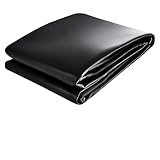
- LLDPE Material: The pond liner is made of LLDPE material, pro-environmentally, sunlight-proof, weather-proof. It can restrain the penetration of harmful substances into the pond and give your fish and plants a secure living environment.
- 20 Mil Thickness: This small pond liner is strong enough to withstand extreme weather conditions, more durable, tear-proof, and puncture-proof. In addition, good waterproof performance can effectively retain the water in your pond.
- Flexible & Pliable: The fish pond liner has good flexibility, easy to bend and fold. You can cut it in various shapes to fit all irregular surfaces(e.g., waterfalls). For better flexibility, you are recommended to lay the liner under the sun for 10 to 15 min before use.
- Aging-proof & Durable: Our waterfall liner is designed with excellent durability, high tensile, and impact strength. The size of 20 ft x 25 ft is ideal for small ponds. The lifespan can live up to 50 years without any exposure, and it can also last for ten years under intense sunlight.
- Wide Application: This large pond liner is a perfect choice for agricultural or home use, such as water garden, fish pond, backyard waterfall, golf course, artificial lake, riverway, aquaculture farm, sloping side, rooftop, etc.

When you’re managing a substantial water feature spanning 400-500 square feet, the VEVOR LLDPE Pond Liner delivers the heavy-duty protection your investment demands. This 20-mil thick powerhouse transforms into whatever shape your pond requires—waterfalls, irregular corners, rocky edges. We’re talking genuine tear-proof engineering here, not some flimsy plastic sheeting.
The LLDPE material means your fish won’t mysteriously float belly-up from toxic chemicals. Expect 10 years under brutal sun exposure, 50 years if you’re smart about UV protection. At 52.9 pounds, it’s substantial enough to stay put during installation yet flexible enough to conform perfectly. Sure, you’ll need help moving it, but that’s what neighbors are for.
Best For: Property owners building substantial water features (400-500+ sq ft) like fish ponds, backyard waterfalls, or artificial lakes who need a durable, fish-safe liner that can conform to irregular shapes and withstand decades of use.
Pros:
- Exceptional durability with 20-mil thickness providing tear-proof, puncture-proof protection and up to 50-year lifespan
- Fish and plant-safe LLDPE material that’s environmentally friendly and won’t leach harmful chemicals
- Superior flexibility allows easy shaping around waterfalls, rocks, and irregular pond contours
Cons:
- Heavy 52.9-pound weight requires multiple people for installation and positioning
- Large 20×25 ft size may be excessive for smaller pond projects, leading to waste
- Significantly reduced lifespan (10 years) when exposed to intense direct sunlight without UV protection
ToLanbbt Pond Liner 7 x 10 Ft, 20 Mil HDPE UV Resistant (Black)
No products found.
Large pond owners battling liner failures will find their solution in the ToLanbbt Pond Liner’s robust 20-mil HDPE construction. This isn’t your flimsy discount liner—it’s engineered for punishment. The material delivers superior puncture resistance while maintaining flexibility for awkward installations around shelves and corners.
At 7×10 feet, it’s perfect for medium-sized applications where durability trumps size. The UV-resistant formula contains zero plasticizers, meaning it won’t degrade into toxic soup over time. Your fish will thank you.
Installation’s invigoratingly straightforward—cut, stretch, done. The 4.4-star rating from nearly 1,000 customers speaks volumes. When you need reliable protection without breaking budgets, this liner delivers.
Best For: Medium-sized pond owners who need a durable, puncture-resistant liner that can handle irregular shapes and provide long-term protection without breaking the budget.
Pros:
- 20-mil HDPE construction offers superior puncture resistance and UV protection without plasticizers
- Flexible material easily adapts to irregular pond shapes, corners, and shelves during installation
- Strong customer satisfaction with 4.4-star rating from nearly 1,000 reviews and #1 bestseller status
Cons:
- 7×10 feet size may be too small for larger pond projects
- At 5.53 pounds, it’s heavier than some alternative liner materials
- Black color may absorb more heat in sunny locations compared to lighter-colored options
Yeezoo 30X30FT Reinforced Large PE Pond Liner for Outdoor Ponds

- 👉[Durable & Leakproof]: The KOI pond liner is with unique five-layer structure design. The middle is reinforced HDPE with net structure PE and leafproof coating on both sides. It’s more durable and leakproof than most pond liners in the current market.
- 👉[Easier to Work With]: Thanks to its unique structure, the fish pond liner is softer and more flexible. It's easier to fold and cut to any sizes, so as to fit for nearly any shape ponds outdoor. We understand how hard it is to work with when the pond liner is too stiff.
- 👉[Excellent Performances]: Because of its five-layer structure, the pond liner is with relatively high puncture & scratch resistance. Suitable for high & low temperature environments outdoors. We have tested repeatedly that the pond liner can be used for over five years.
- 👉[Widely Used Applications]: Our reinforced PE pond liner was originally mainly used for large-scale aquaculture and waterproofing projects. Now we could use the it for duck & fish/KOI ponds, man-made waterfalls & fountain, raised planter bed or pool ect. Your ponds need a lasting liner.
- 👉[Warm Tips]: Please level ground and place underlayment before laying the pond liner, such as sand, old carpet and any others sheet of fabrics. Avoid hard and sharp objects to pierce pond liner. Please freely reach out to us if you have any questions, we will work it out until your satisfaction.
Five layers of reinforced HDPE engineering make the Yeezoo 30X30FT pond liner a fortress against punctures, tears, and the relentless march of time. This isn’t your garden-variety plastic sheeting. We’re talking about a 0.82oz/sq ft behemoth that’s survived five years of temperature extremes without breaking a sweat.
The leafproof coating alone separates this liner from pretenders. Five-layer construction means redundancy where it counts. Puncture resistance? Check. Flexibility for awkward installations? Double check.
Here’s what matters: it cuts clean, folds without cracking, and handles everything from KOI ponds to waterfalls. Level your ground, add underlayment, and avoid sharp objects. The engineering speaks for itself.
Best For: Property owners planning large outdoor water features like KOI ponds, waterfalls, or fountains who need a durable, long-lasting liner that can withstand temperature extremes and resist punctures.
Pros:
- Five-layer reinforced HDPE construction provides exceptional durability and puncture resistance compared to standard pond liners
- Flexible design makes installation easier by allowing clean cuts and folding without cracking for various pond shapes
- Proven longevity with over five years of testing in extreme temperature conditions
Cons:
- Large 30×30 foot size may result in excess material and waste for smaller pond projects
- Requires careful ground preparation and underlayment to prevent damage from sharp objects
- Higher thickness and reinforcement likely comes at a premium price compared to basic pond liners
Factors to Consider When Choosing a Liner for Large Pond

We’ve shown you top-tier liners, but choosing the wrong one will cost you thousands in repairs and headaches you don’t need. The decision comes down to five critical factors that separate amateur pond builders from those who get it right the first time. Let’s break down material durability, thickness specs, coverage calculations, UV protection ratings, and installation complexity so you can make the smart choice.
Material Type and Durability
Three critical material choices dominate the large pond liner market, and your selection will determine whether you’re replacing your liner in two years or two decades.
LLDPE stands as our top recommendation. It’s eco-friendly, aquatic-life safe, and prevents contaminants from infiltrating your water system. The 20-mil thickness delivers exceptional puncture resistance while maintaining installation flexibility—you’ll cut and shape it around irregular surfaces without headaches.
HDPE offers similar durability with enhanced UV protection. Both materials resist tears and environmental wear far better than cheaper alternatives.
Here’s the reality: quality liners last 50 years without UV exposure, 10 years under intense sunlight. Thickness matters—20-mil options consistently outperform thinner materials. Don’t compromise on material quality unless you enjoy frequent replacements.
Thickness and Puncture Resistance
While material choice sets your liner’s foundation, thickness determines whether your pond survives the first sharp rock or tree root encounter. We’re talking mils here—and 20 mil isn’t just a number, it’s your insurance policy against catastrophic failure.
Thicker means tougher. A 20 mil liner laughs at punctures that’d shred thinner options. It’s tear-proof, wear-proof, and handles heavy fish traffic without breaking a sweat. Your waterproof seal stays intact, keeping your ecosystem stable.
Multi-layered liners? Even better. They combine materials for strength and flexibility—the engineering equivalent of having your cake and eating it too.
For large ponds, thickness isn’t negotiable. Skimp here, and you’ll be draining and repairing within months. Choose wisely.
Size and Coverage Area
Getting your measurements wrong isn’t just embarrassing—it’s expensive. We’re talking about replacing thousands of square feet of liner because you cut corners on calculations.
Measure your pond’s length, width, and maximum depth twice. Add two feet to each dimension for proper overlap and anchoring. Don’t forget irregular shapes—trace the perimeter and calculate generously.
Large ponds demand flexible materials that conform to complex contours without creating stress points. Rigid liners crack under pressure, literally. Choose materials you can cut and shape on-site.
Coverage area directly impacts your ecosystem’s health. Inadequate coverage exposes edges to UV damage and creates weak points where leaks develop. Oversize beats undersize every time—you can’t stretch physics.
UV and Weather Protection
Unless you enjoy watching your investment turn into expensive plastic confetti, UV protection isn’t optional—it’s survival. We demand liners with built-in UV resistance that won’t crack, fade, or disintegrate under relentless sun exposure.
Twenty mil thickness is your minimum baseline. Anything thinner is asking for trouble. This thickness shields against UV damage while resisting punctures from debris and environmental stress. We’re talking real protection, not marketing fluff.
Choose materials engineered for aging resistance. Quality liners withstand harsh conditions for up to 50 years without replacement. That’s decades of reliable performance versus constant headaches.
Waterproof, anti-leakage functionality protects your ecosystem while maintaining consistent water levels. Weather-resistant materials guarantee your liner survives temperature swings, storms, and seasonal punishment without compromising structural integrity.
Flexibility and Installation Ease
When your pond design includes irregular shapes, shelves, or tight corners, liner flexibility becomes your installation lifeline. LLDPE and HDPE materials deliver the softness and extensibility you need to navigate complex geometries without wrestling with stubborn plastic.
We recommend 20 Mil thickness as the sweet spot—thick enough for durability, flexible enough for serious manipulation. You’ll bend, fold, and stretch this material into submission without cracking or tearing.
Lightweight options slash installation time dramatically. Less weight means easier handling, faster positioning, and reduced crew fatigue. Your back will thank you.
Proper flexibility guarantees secure fits around every contour. No gaps, no stress points, no future leak disasters. The liner conforms to your vision, not the other way around.
Environmental Safety Standards
Your pond liner choice determines whether you’re creating an aquatic paradise or a toxic wasteland—environmental safety isn’t negotiable.
We demand LLDPE or HDPE materials that won’t leach chemicals into your water. These polymers are engineered specifically for aquatic environments—no compromises.
Certification matters. Look for liners meeting environmental safety standards with documented non-toxicity ratings. If it doesn’t have proper certifications, it doesn’t belong in your pond.
UV resistance isn’t optional—it’s mandatory. Degraded liners release harmful compounds that’ll poison your ecosystem faster than you’d think.
Thickness equals safety. We recommend 20 Mil minimum because punctured liners create contamination nightmares. Thicker materials resist wear, preventing chemical exposure from manufacturing residues.
Your fish depend on these decisions. Choose materials designed for wildlife habitats, not generic construction applications.
Cost Vs Longevity Value
Safe materials mean nothing if your liner fails in three years—smart money calculates total cost over decades, not sticker shock at checkout. We’ve seen 50-year lifespans from quality materials versus budget options dying within five years. That’s ten replacements versus one installation.
Here’s the math: A 20-mil liner costs more upfront but delivers enhanced puncture resistance and UV protection. Factor in labor costs for multiple replacements, pond draining, and fish relocation—suddenly that “expensive” liner looks brilliant.
Environmental resistance matters too. Liners that block contaminants and retain water consistently outperform thin alternatives. We’re talking about cost per square foot over expected lifespan, not just initial price tags. Quality materials withstand harsh weather while cheap ones crack, leak, and fail spectacularly.
Conclusion
we’ve handed you three bulletproof options that won’t fail when it matters. VEVOR delivers fish-safe reliability. ToLanbbt keeps installation simple while blocking UV damage. Yeezoo’s reinforced layers laugh at punctures. Choose wrong, and you’ll be draining your pond in two years, cursing cheaper alternatives. Pick right from this trio, and your liner outlasts your patience for maintenance. The question isn’t which works—it’s which fits your specific nightmare scenario best.